


Choosing a pool installer in South Florida or the Treasure Coast is a big decision. This is not just about who can break ground first or offer the lowest quote. It is about long-term durability, safety, service, and how smoothly the entire process runs from design through years of ownership.
This guide helps homeowners compare pool installers the right way. Instead of ranking companies or making blanket claims, it focuses on the criteria that actually matter so you can choose a builder that fits your home, budget, and Florida lifestyle.
Quick Takeaways for Homeowners
- Pool installation is typically a 10 to 16 week process when design, permitting, construction, and inspections are combined
- In South Florida and the Treasure Coast, permit approval alone often takes 3 to 6 weeks, depending on the city and county
- Experienced local installers commonly coordinate 15 to 25 inspections per pool project
- The lowest bid often excludes critical scope items like engineering coordination, inspections, or startup support
- Builders with in-house service teams tend to reduce long-term warranty delays and repair downtime
Why Hiring a Professional Pool Installer Matters
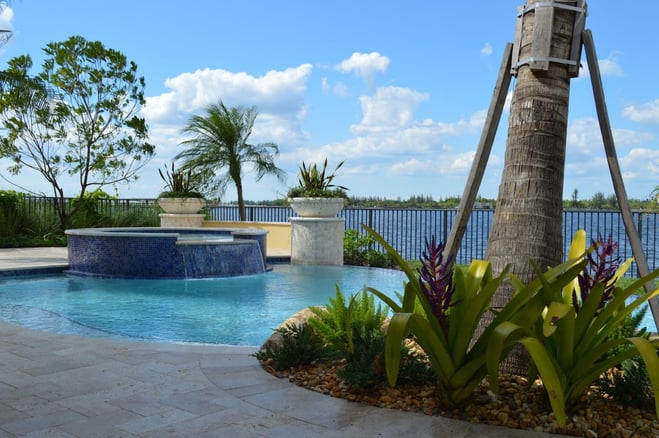
A swimming pool is a permanent structure, not a weekend project. Professional pool installers manage far more than excavation and finishes.
They coordinate:
- Structural engineering and steel reinforcement
- City and county permitting
- Electrical, plumbing, and safety systems
- Inspection scheduling and compliance
- Construction sequencing across multiple trades
Pool construction demand increased significantly across South Florida after 2020, which also widened the gap between experienced builders and newer or limited-scope contractors. Working with a professional installer helps minimize delays, unexpected costs, and long-term performance issues.
Key Factors to Compare When Choosing a Pool Installer
The most reliable way to compare pool installers is to evaluate them using the same criteria. The table below highlights how established, full-service builders typically differ from limited or low-cost installers.
|
Comparison Factor |
Established Local Installer |
Limited or Low-Cost Installer |
|
Years of operating locally |
10+ years |
Often under 5 years |
|
Permitting experience |
Extensive city and county familiarity |
Limited or outsourced |
|
Inspection management |
Coordinates 15–25 inspections |
Often reactive or homeowner-managed |
|
Communication and project updates |
Dedicated point of contact with proactive updates throughout construction |
Inconsistent communication, updates often delayed or unclear |
|
Design flexibility |
Fully custom layouts |
Pre-set or limited designs |
|
Warranty support |
In-house warranty teams |
Third-party or limited coverage |
|
Ongoing service |
Weekly and long-term service options |
Often unavailable after completion |
Understanding these differences early helps homeowners avoid costly surprises later.
1. Local Experience and Track Record
Local experience directly affects timelines, inspections, and construction quality. Builders with long-standing South Florida or Treasure Coast operations are more familiar with groundwater conditions, sandy soil behavior, and municipal review standards.
As a general benchmark, installers with 10 or more years of continuous operation in the region tend to:
- Anticipate permitting requirements earlier
- Reduce inspection resubmissions
- Maintain more consistent construction schedules
2. Licensing, Insurance, and Compliance
A qualified pool installer should hold:
- A valid Florida contractor license
- General liability insurance
- Workers’ compensation coverage
Homeowners can independently verify contractor licenses through the Florida Department of Business and Professional Regulation (DBPR) using its public license lookup tool.
This verification helps confirm that a builder is legally authorized to perform pool construction in Florida and meets state requirements.
3. Design Capability and Customization
Not all pool installers offer the same level of design flexibility. Some focus on limited layouts, while others specialize in fully custom pools.
Ask whether the installer can:
- Customize pool shape, depth, and layout
- Integrate spas, sun shelves, and water features
- Design around setbacks, drainage, or HOA requirements
Design flexibility directly impacts how well the pool fits your property and how enjoyable it is to use.
4. Construction Quality and Materials
Construction quality determines how a pool performs over time.
Key considerations include:
- Structural reinforcement and engineering standards
- Quality of plumbing and electrical installation
- Finish materials and installation practices
Cutting corners during construction often leads to higher repair and maintenance costs later.
5. Warranties and Long-Term Service
A pool installer’s responsibility should not end when the pool is filled.
Compare:
- What the construction warranty covers
- Whether warranty service is handled in-house
- Availability of weekly maintenance or ongoing support
Reliable post-build service is especially important in South Florida’s climate.
Red Flags When Comparing Pool Installers
Even when two installers appear similar on paper, certain warning signs can indicate a higher risk once construction begins. These red flags often show up during early conversations, not in marketing materials.
Incomplete or shifting proposals
If scope details change between conversations or are missing from written estimates, it can signal poor internal coordination or future change-order issues.
Lack of clarity around next steps
Reputable installers clearly explain what happens after design approval, permit submission, and each inspection phase. Uncertainty here often leads to stalled projects.
Unwillingness to explain permitting or inspections
If an installer avoids discussing how permits, inspections, or corrections are handled, it may indicate limited experience with local building departments.
No documented process for issue resolution
Ask how construction issues, weather delays, or material adjustments are handled. A lack of a defined process often results in reactive problem-solving.
Overpromising on speed or certainty
Claims of guaranteed timelines or immediate starts without permit approvals often overlook the realities of South Florida and Treasure Coast regulations.
Difficulty providing recent local references
Inability to share recent projects in your city or county may suggest limited familiarity with local conditions or inconsistent workload.
Understanding the South Florida and Treasure Coast Pool Market
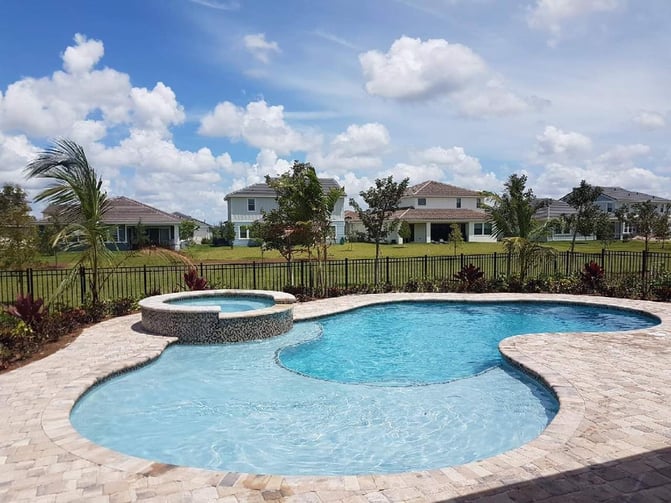
Pool construction in Florida must comply with the Florida Building Code, which governs structural integrity, electrical systems, and safety requirements.
Local permitting and inspection processes vary by municipality and county, but most pool projects require approvals and inspections from city building departments in addition to state standards.
Homeowners can review pool safety and construction requirements through the Florida Building Code resource center.
Understanding how regulations apply before construction begins helps prevent delays during the build process.
Where Fountain Blue Pools Fits In
Fountain Blue Pools has been building pools in South Florida and the Treasure Coast for over 34 years, serving homeowners from Parkland to Port St. Lucie.
During that time, the team has completed hundreds of residential and commercial pool projects, navigating thousands of inspections and permitting reviews across multiple municipalities.
What sets Fountain Blue Pools apart is a full-service structure that includes:
- Custom residential and commercial pool construction
- Experience with model homes and community amenities
- In-house warranty, repair, and maintenance teams
- A West Palm Beach showroom for hands-on design planning
This approach allows homeowners to work with one builder from initial concept through long-term care.
How to Get Started
If you are comparing pool installers in South Florida or the Treasure Coast, start with a consultation.
A consultation allows you to:
- Review your property layout and setbacks
- Understand realistic timeline ranges based on permitting
- Compare scope inclusions across builders
- Identify site, drainage, or access challenges early
To schedule a consultation with Fountain Blue Pools and take the first step toward building a pool designed for Florida living.
.jpg)
Navigating Florida's Pool Regulations: A Homeowner's Handbook
Comparing the Top South FL & Treasure Coast Swimming Pool Installers

No Comments Yet
Let us know what you think