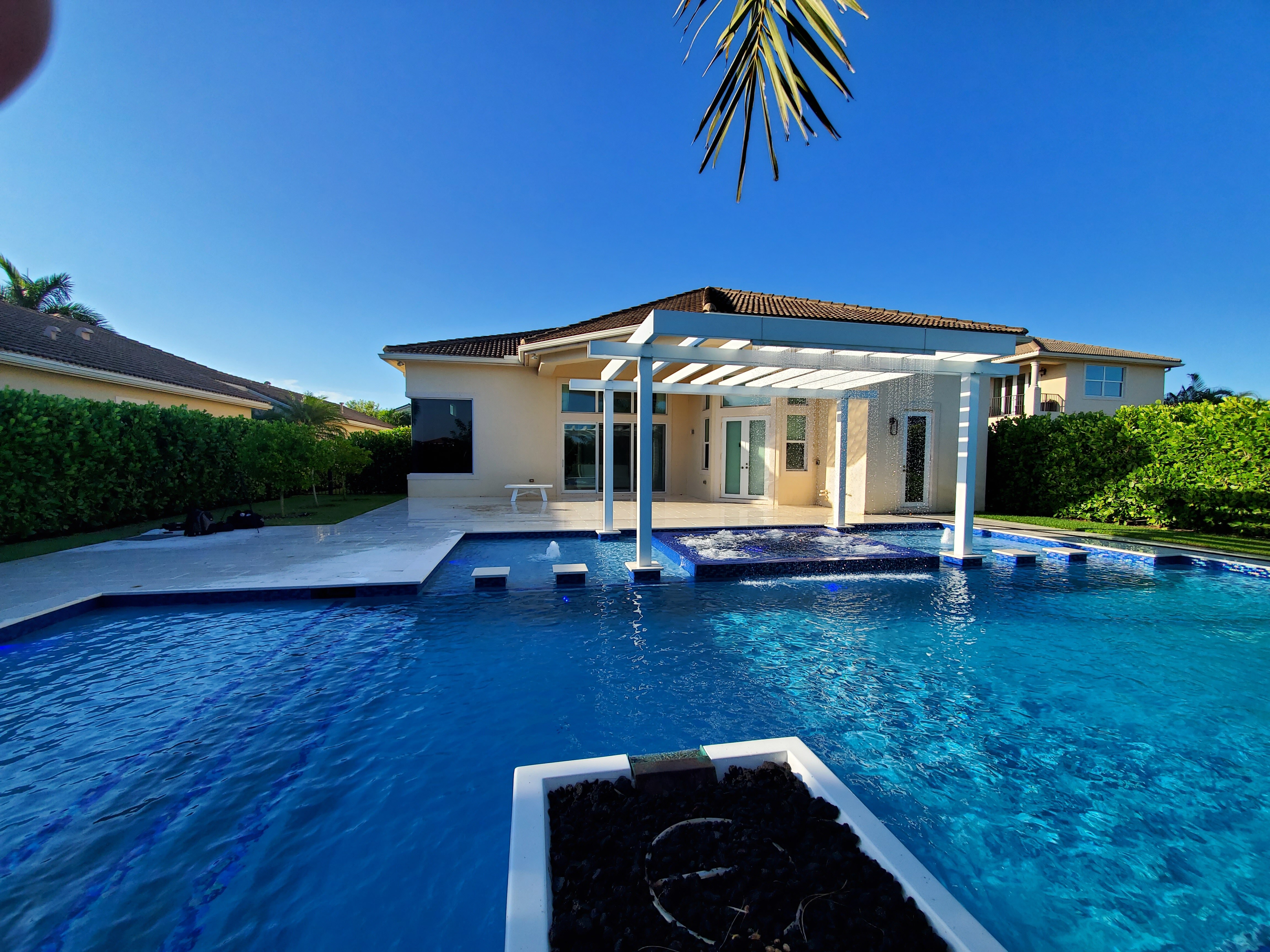
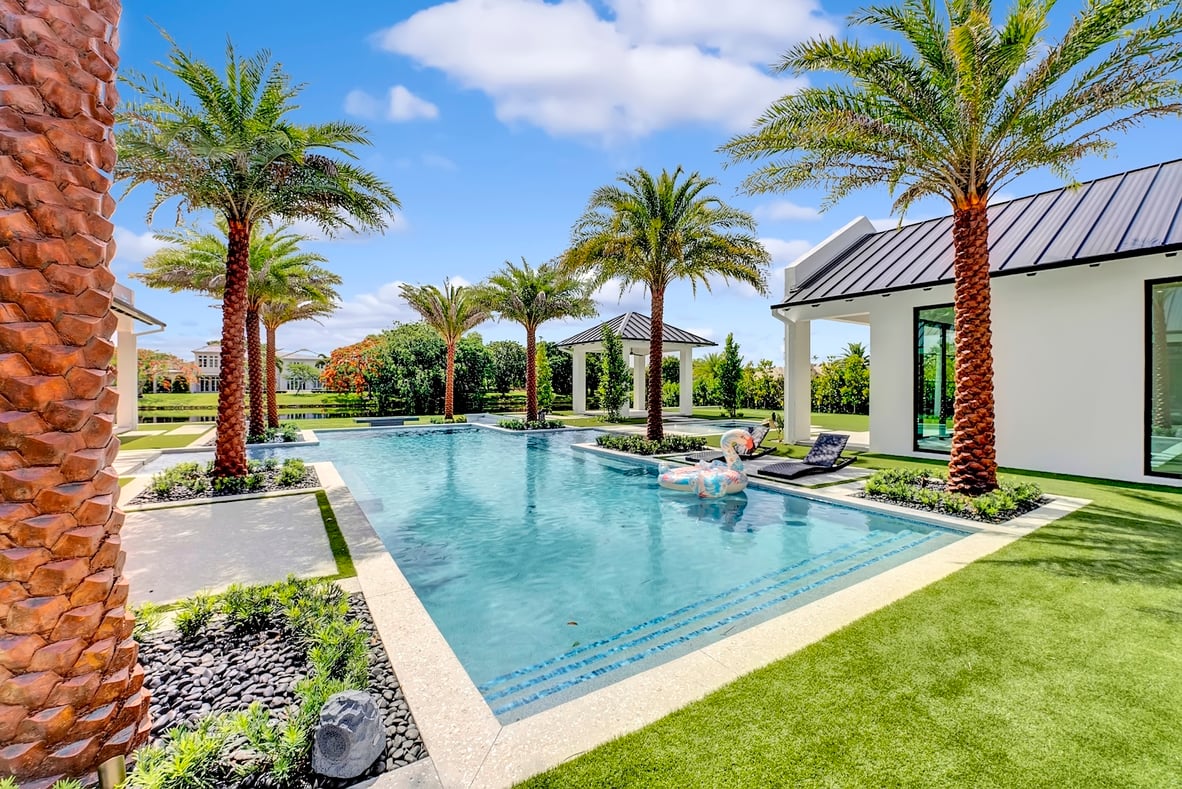
Building a pool is a big project, but it should feel exciting, not overwhelming. At Fountain Blue Pools, we break pool construction into clear, well-planned phases so you always know what’s happening, what’s next, and why it matters.
This guide walks you through the actual phases of pool construction in South Florida, in the correct order, with realistic timelines, required inspections, and safety guidance on when it’s finally okay to swim.
Quick Takeaways
- Pool construction follows a multi-phase, inspection-driven process governed by the Florida Building Code
- Several phases require city or county inspections before work can continue
- Gunite pools are built in stages to ensure long-term structural strength
- Newly plastered pools require several days for water chemistry to stabilize before swimming
- Clear timelines help homeowners plan without surprises
How Long Does Pool Construction Take in South Florida?
Pool construction in South Florida typically takes 10 to 16 weeks from start to finish, including design, permitting preparation, inspections, construction phases, and interior finishing. Timelines vary based on weather, inspection scheduling, HOA approvals, and material availability.
Phase 1: Design, Engineering, and Permitting Preparation
What happens
The pool design is finalized, engineering plans are prepared, and documents are assembled for permit submission. This includes layout, depths, features, setbacks, and safety requirements.
How long it usually takes
2 to 4 weeks, depending on design complexity and revision cycles.
What can delay it
Design changes, HOA approvals, engineering revisions, or missing site information.
What the homeowner should know or decide
This is where key decisions are made, including pool size, features, finishes, and equipment options. Finalizing choices early helps prevent delays once construction begins.
Phase 2: Layout and Excavation (Dig Day)
What happens
The pool layout is staked and marked in the yard so placement and shape can be confirmed. Once approved, excavation begins to shape the pool shell, depths, steps, and benches.
How long it usually takes
1 to 2 days.
What can delay it
Weather, limited site access, underground utilities, or unexpected soil conditions.
What the homeowner should know or decide
This is the most visible phase early on and can look disruptive, but it sets the foundation for everything that follows.
Phase 3: Forming and Steel Reinforcement
What happens
Forms are installed and a steel rebar cage is constructed throughout the pool shell. This framework provides the pool’s structural strength.
How long it usually takes
2 to 4 days.
What can delay it
Weather, inspection scheduling, or adjustments needed to meet spacing or engineering requirements.
What the homeowner should know or decide
This phase is mostly behind the scenes but critical for long-term durability, especially in South Florida’s sandy soil and groundwater conditions.
Phase 4: Structural Inspection
What happens
The steel structure is inspected by the local building authority to confirm compliance with Florida Building Code requirements.
How long it usually takes
1 to 3 days, depending on inspection availability.
What can delay it
Inspection backlogs or corrections required by the inspector.
What the homeowner should know or decide
Construction cannot move forward until this inspection is approved
Homeowners can reference structural pool requirements through the Florida Building Code.
Phase 5: Gunite Application
What happens
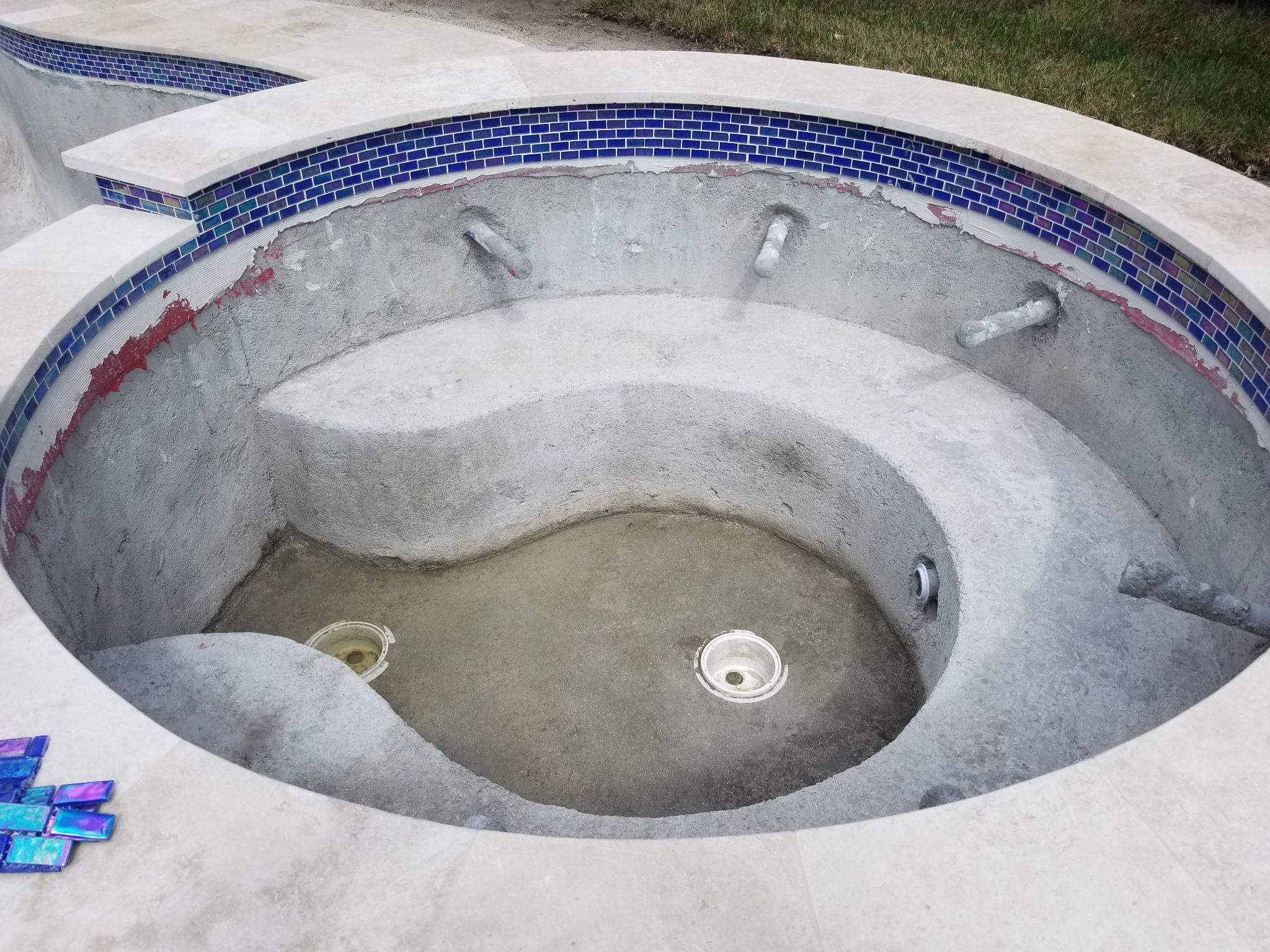
Gunite is applied to the steel framework to form the solid concrete pool shell. After application, the shell is cured by keeping it damp for several days.
How long it usually takes
1 day for application, plus approximately 4-6 weeks to cure.
What can delay it
Weather conditions or scheduling of the gunite crew.
What the homeowner should know or decide
The pool shape becomes permanent at this stage. Proper curing is essential for strength and crack resistance.
Phase 6: Backfill and Rough Plumbing
What happens
Backfill is added around the pool shell for stability. Plumbing lines are installed for skimmers, drains, returns, spas, and water features, then pressure tested.
How long it usually takes
2 to 3 days.
What can delay it
Failed pressure tests or weather-related interruptions.
What the homeowner should know or decide
Plumbing quality directly affects circulation, efficiency, and long-term performance.
Phase 7: Plumbing Inspection and Backfill
What happens
Plumbing systems are inspected for pressure integrity and proper installation. Once approved, the remaining backfill is completed.
How long it usually takes
1 to 2 days.
What can delay it
Inspection scheduling or required corrections.
What the homeowner should know or decide
This inspection ensures leaks are addressed before decking and finishes are installed.
Phase 8: Coping and Tile Installation
What happens
Waterline tile and coping are installed. Coping frames the pool edge and supports deck drainage, while tile provides a finished transition at the waterline.
How long it usually takes
3 to 5 days.
What can delay it
Material availability or weather during installation.
What the homeowner should know or decide
Tile and coping selections impact both appearance and maintenance.
Phase 9: Bond Grid and Decking
What happens
An electrical bond grid is installed to safely bond all metallic components. Deck preparation and installation follow, using concrete, pavers, or stone.
How long it usually takes
3 to 6 days, depending on materials.
What can delay it
Weather or material curing times.
What the homeowner should know or decide
Deck material choice affects comfort, drainage, and long-term upkeep.
Phase 10: Electrical and Barrier Installation
What happens
Electrical systems for lighting, equipment, heaters, and automation are installed. Pool safety barriers such as fencing, alarms, or self-latching gates are completed.
How long it usually takes
1 to 3 days.
What can delay it
Inspection scheduling or coordination with third-party installers.
What the homeowner should know or decide
Barrier compliance is required for final approval and is governed by Florida safety regulations.
Phase 11: Sod and Landscaping (If Applicable)
What happens
Final landscaping and sod installation restore the yard and complete the outdoor space.
How long it usually takes
Varies based on landscaping scope.
What can delay it
Weather or coordination with landscaping contractors.
What the homeowner should know or decide
This phase is often handled separately from pool construction.
Phase 12: Bond Coat, Plaster, and Fill
What happens
The interior finish is applied, and the pool is immediately filled with water.
How long it usually takes
1 to 2 days.
What can delay it
Weather or scheduling of finish crews.
What the homeowner should know or decide
Although the pool looks complete, it is not yet swim-ready.
Common Delays in South Florida Pool Construction
Permit backlogs, heavy summer rain, hurricane season interruptions, material lead times, and HOA approvals are the most common causes of pool construction delays in South Florida.
Here is how each one can affect your timeline:
Permit Backlogs
City and county building departments must review and approve structural, electrical, plumbing, and safety plans before work can begin or move to the next phase. During busy building seasons, approval timelines can extend beyond initial estimates.
Heavy Summer Rain
South Florida’s rainy season can temporarily pause excavation, steel installation, or decking. Wet or unstable soil conditions must dry out before crews can safely continue.
Hurricane Season Interruptions
From June through November, tropical systems can delay inspections, disrupt material deliveries, and shift construction schedules. Safety protocols always take priority during storm activity.
Material Lead Times
Specialty tile, custom finishes, upgraded equipment, and certain design features may have extended manufacturing or shipping timelines, particularly during peak demand periods.
HOA Approvals
Many South Florida communities require architectural review before permits are submitted. HOA review cycles vary and can add additional time to the pre-construction phase.
Working with an experienced, Florida-based pool builder helps minimize these delays through proactive planning, realistic scheduling, and clear communication at every step.
When Can You Swim?
Newly plastered pools require a startup process where chemicals are added and carefully balanced. This stabilization period is essential to protect both swimmers and the pool finish.
You’re almost there. In just a few days, once chemical levels are in the normal range, it will be safe to put on your goggles and enjoy your new pool.
Final Walkthrough and Pool Orientation
Once construction is complete, our team walks you through:
- How to operate your pool equipment
- Basic water chemistry and care
- Startup guidelines
- Ongoing maintenance options
We make sure you feel confident caring for your pool from day one.
Why Build with Fountain Blue Pools
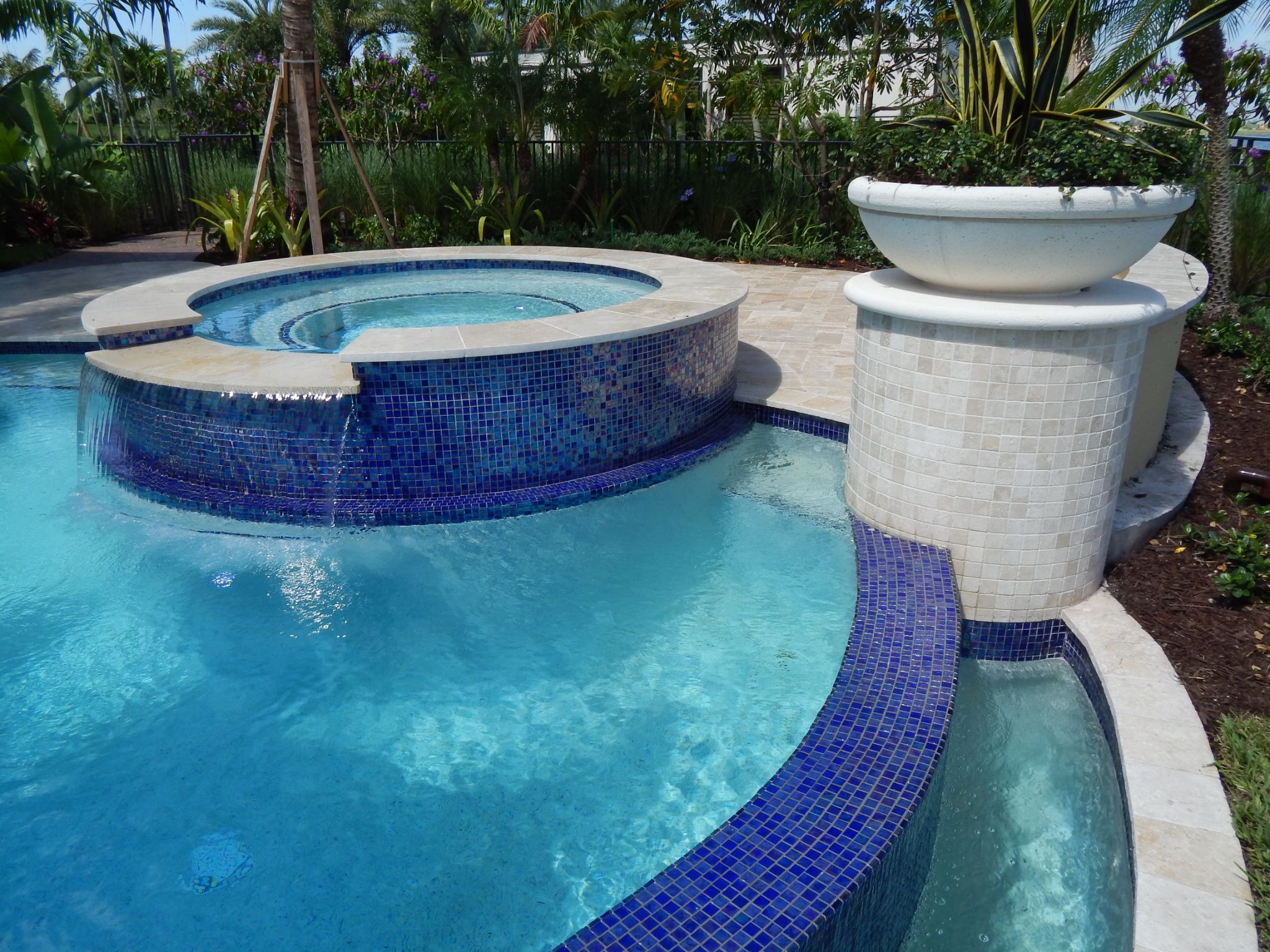
Fountain Blue Pools has been building pools in South Florida since 1996. We manage construction in-house, follow proper inspection sequencing, and build pools designed specifically for Florida conditions.
Our approach focuses on:
- Clear communication
- Proven construction methods
- Long-term durability
- A smooth, enjoyable experience from start to finish
Ready to Get Started?
If you are planning pool construction and want a clear, step-by-step process with no guesswork, schedule a consultation with Fountain Blue Pools.
Schedule a consultation to start planning your backyard pool with a team that builds it right, phase by phase.
.jpg)